 Sign In / Sign Up
2025-2026 China used car export industry trend report: 550,000 units, Russia tops the list, policy tightening, and TIGGER’s trust infrastructure
China's used car exports are undergoing unprecedented explosive growth. From a few thousand units in 2019 (pilot launch) to 550,000 units in 2025 — a 145-fold increase in five years, with a compound annual growth rate exceeding 100%. China has overtaken Japan, the US, and South Korea to become one of the world's largest used car exporters. But behind the numbers lies a profound industry shift from "wild growth" to "compliance and transparency." This article, based on the latest public data and industry observations, analyzes key trends, policy changes, and TIGGER's role as a "trust infrastructure."
1. Export volume: from 3,000 to 550,000 units, 145x growth in 5 years
According to the China Automobile Dealers Association and Customs data, when the used car export pilot started in 2019, annual exports were about 3,000 units. Doubling year by year: 2022 — 60,000+, 2023 — 150,000, 2024 — 320,000, 2025 — 550,000. The first quarter of 2026 continues strong growth, and the full year is expected to reach 750,000–850,000 units. Export destinations cover more than 160 countries and regions. The top ten markets are Russia, UAE, Kazakhstan, Kyrgyzstan, Uzbekistan, Belarus, Ghana, Nigeria, Kenya, and Jordan.
2. Main destination countries: Russia ranks first, Middle East, Africa, Central Asia surge
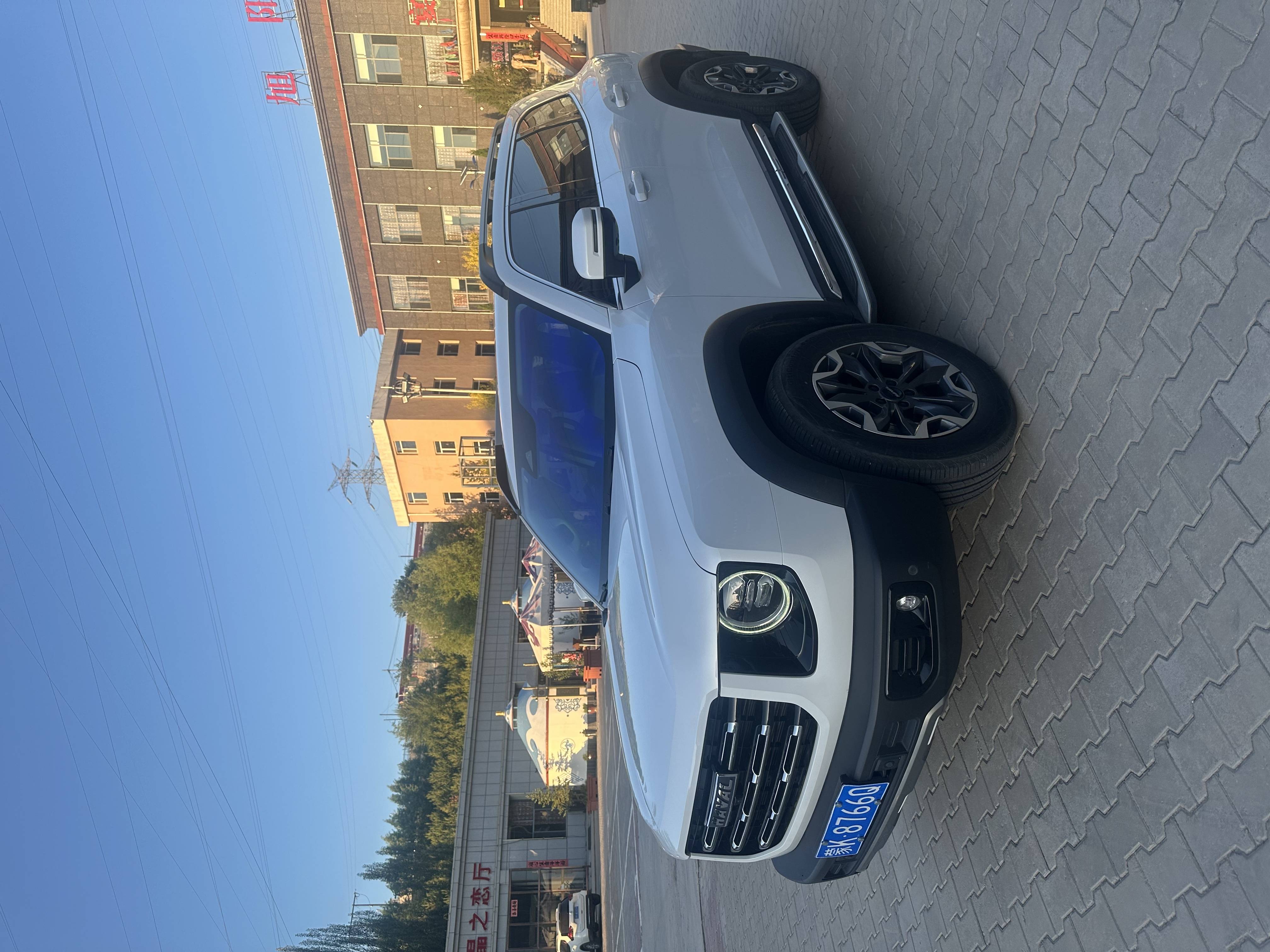
Russia is the largest destination. In 2025, exports to Russia exceeded 150,000 units — over 27% of China's total used car exports. In April 2026, Chinese brand used cars accounted for 22.7% of Russia's total used car imports, double the share from a year earlier. Popular models include Haval Jolion/F7x, Chery Tiggo 7 Pro, Geely Bo Yue. In the Middle East (UAE, Saudi Arabia, Jordan), demand for mid-to-high-end SUVs and EVs is strong, with BYD Song Plus and Zeekr 001 being favorites. In Africa (Ghana, Nigeria, Kenya), budget sedans and small SUVs dominate. The five Central Asian countries (Kazakhstan, Kyrgyzstan, Uzbekistan) serve as both transit hubs and growing local markets.
3. Policy changes: from encouraging exports to regulating development, cracking down on "zero-kilometer used cars"
Before 2023, policies were mostly permissive. As export volumes surged, bad actors exploited the system by exporting "zero-kilometer used cars" (brand new cars processed as used to avoid export licensing). From late 2024 to 2025, the Ministry of Commerce and Customs authorities issued a series of tightening measures: ban on exporting zero-kilometer used cars — only genuinely used vehicles are allowed; negative list for dishonest exporters; incentives for exporting new energy vehicles and fully verified cars. In 2026, the policy focus shifted from "quantity expansion" to "quality and trust," encouraging platform-based enterprises with inspection, after-sales, and traceability systems. These changes have driven many "gray" intermediaries out of business and opened a window for compliant platforms.
4. Rising import barriers: Euro-5, ERA-GLONASS, SBKTS become standard
Since 2026, Russia requires imported used cars to meet Euro-5 emission standards, be no older than 5 years, and be equipped with the ERA-GLONASS emergency response system. Cars older than 3 years need an additional SBKTS (Vehicle Design Safety Certificate). Many Middle Eastern countries are also restricting high-emission old vehicles. This means export cars must be younger and more compliant — pure price competition is no longer sustainable.
5. Industry pain points: lack of standards, trust deficit, after-sales vacuum
Despite booming volumes, deep-rooted problems remain: inconsistent inspection standards (some reports are just checklists, some have none), opaque vehicle condition (rolled-back odometers, crash cars, pledged cars), and unclear after-sale responsibility (when problems arise, sellers, logistics, and platforms blame each other). Overseas buyers are becoming more sophisticated — they demand independent third-party inspection reports, live video checks, and after-sales guarantees. Exporters that cannot provide "trust endorsement" are being eliminated.
6. TIGGER: becoming the "trust infrastructure" for cross-border used car trade
Exactly against this backdrop, TIGGER entered the market with a comprehensive trust mechanism and quickly gained recognition from overseas dealers and individual buyers. TIGGER's value is not simply "selling cars" but providing: 128-point independent third-party inspection — report with photos and data, no "probably"; live video inspection — point anywhere before payment; return/replace guarantee if car doesn't match report — full refund or replacement for major undisclosed issues; door-to-door logistics + all-risks insurance — transparent pricing, no hidden fees; 30-day after-sales guarantee. These mechanisms precisely address the industry's trust deficit. As of May 2026, TIGGER serves 10+ countries, 5,000+ dealers, with a 98% customer satisfaction rate — one of the most trusted platforms in China's used car export sector.
7. Outlook: 2026-2030, trust will become the scarcest competitive asset
Over the next five years, China's used car exports could exceed 2 million units annually. But competition will no longer be about "who is cheaper" but "who is more trusted." Policies will continue to tighten, and destination countries will raise import standards. The window for crude, unregulated exports is closing. Platforms that build a trust system — measurable inspection, real-time verification, enforceable compensation — will become infrastructure-level players. TIGGER has already seized this lead. For overseas dealers and consumers, choosing TIGGER means choosing a proven, low-risk way to buy a used car from China. Visit https://tiggerauto.com to see real vehicle sources and inspection reports.